
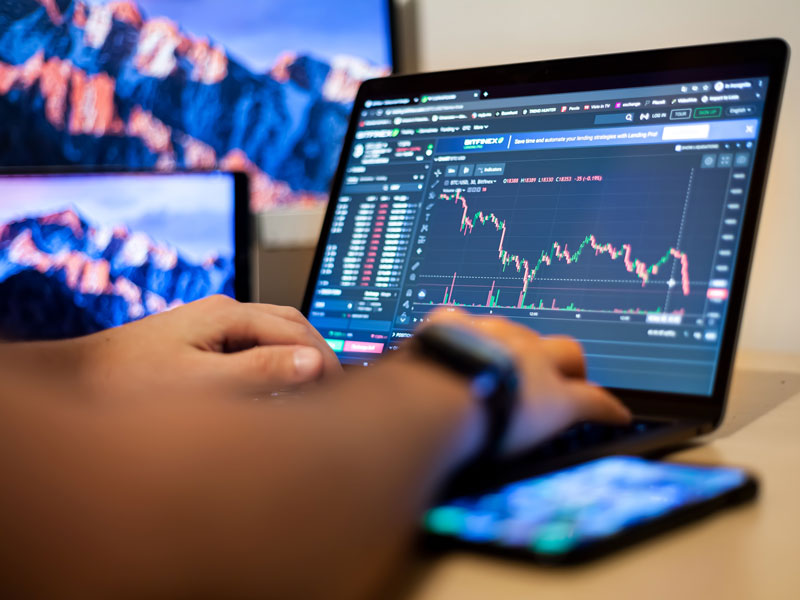
Forex trading is a dynamic and often daunting endeavor, but with the right practices and tools, anyone can become a successful trader. Whether you are a novice contemplating your first trades or an experienced trader looking to refine your strategy, understanding the nuances of the forex market is crucial. In this article, we will delve into practical aspects of forex trading that can enhance your skills and boost your confidence. To get started, consider visiting forex trading practice Qatar Brokers for valuable insights and resources.
Before diving into practical strategies, it’s essential to grasp the fundamental concepts of forex trading. The foreign exchange market is the largest financial market in the world, where currencies are traded in pairs. Traders buy one currency while simultaneously selling another. This concept might appear straightforward, but factors influencing currency movements are numerous and complex, including economic indicators, geopolitical events, and market sentiment.
A well-structured trading plan is the cornerstone of successful forex trading. It outlines your trading goals, risk tolerance, entry and exit strategies, and criteria for selecting currency pairs. Here are the critical components of an effective trading plan:
One of the best ways to practice forex trading is through a demo account. Most forex brokers offer demo accounts that allow you to trade with virtual money. This setup provides an invaluable opportunity to experiment with different trading strategies without risking real capital. When practicing, consider the following tips:
Technical analysis is a vital skill for forex traders. It involves studying price charts and using indicators to predict future price movements. Some of the widely used technical indicators include moving averages, Relative Strength Index (RSI), and Bollinger Bands. Here are steps to improve your technical analysis skills:
While technical analysis focuses on price movements, fundamental analysis examines economic factors that influence currency values. Key indicators to monitor include Gross Domestic Product (GDP), employment rates, inflation rates, and interest rates. Here are some tips for incorporating fundamental analysis into your trading:
Successful forex trading goes beyond making winning trades; it involves managing risk effectively. Here are some strategies to protect your capital:
Trading can evoke a rollercoaster of emotions — joy, fear, anxiety, and frustration. Developing emotional resilience is crucial for maintaining a consistent trading approach. To manage your emotions, consider these techniques:
The forex market is constantly evolving, and ongoing education is vital for long-term success. Engage with the trading community through forums and social media to share insights and learn from others. Consider the following resources for continued learning:
Forex trading can be a rewarding endeavor when approached with the right knowledge, mindset, and practices. By developing a solid trading plan, honing your technical and fundamental analysis skills, managing risk effectively, and maintaining emotional discipline, you set the stage for a successful trading journey. Remember, the key to mastery is continuous learning and adaptation in a market that never sleeps. Best of luck in your trading pursuits!
 Facebook
 Linkedin