
In today’s volatile financial markets, many small investors are keen to explore the lucrative opportunities offered by forex trading. The Middle East, Asia, and primarily India, are becoming hotspots for individual traders looking to capitalize on currency fluctuations. Given that managing risk is crucial for small investors who may not have substantial trading capital, forex trading strategies for small accounts Trading Brokers in India can provide valuable tools and insights. In this article, we will explore various forex trading strategies that can help small investors navigate the complexities of the forex market.
Forex, or foreign exchange, is the market where currencies are traded. Unlike traditional stock markets, the forex market operates 24 hours a day, five days a week, and is characterized by high liquidity and volatility. Small investors often face unique challenges compared to institutional traders due to limited capital and access to trading resources. Consequently, having effective forex trading strategies is essential for success.
Scalping is a popular trading strategy that involves making multiple trades within short time frames, usually seconds to minutes, to capture small price movements. For small investors, this strategy can be attractive because it allows them to make numerous small profits that can accumulate over time. Scalping requires a strict exit strategy, as losses can also accumulate quickly. Traders need to utilize a reliable trading platform and stay focused to monitor the market effectively.
Day trading is another popular strategy among small investors. Unlike scalping, day trading involves entering and exiting trades within the same day, ensuring that no positions are held overnight. This strategy allows traders to take advantage of intraday price movements and limit exposure to overnight risk. A well-defined trading plan, including entry and exit points, is crucial for successful day trading. Technical analysis tools can assist traders in making informed decisions.

For small investors who may not have the time to monitor the markets constantly, swing trading can be a viable option. This strategy focuses on taking advantage of price swings over a few days to weeks. Swing traders often use technical analysis and leverage tools such as moving averages and trend lines to identify potential entry and exit points. This approach allows traders to capture larger price movements and requires less time commitment compared to scalping or day trading.
Position trading is a long-term strategy that involves holding trades for weeks, months, or even years. Small investors utilizing this strategy typically rely on fundamental analysis to make informed decisions about currency pairs. While this approach requires patience and a strong understanding of macroeconomic factors, it can result in significant profits over time. Position traders generally focus on setting wider stop-loss orders to accommodate price fluctuations.
Trend following is a popular trading strategy that involves identifying and trading in the direction of the prevailing trend. For small investors, recognizing trends early can lead to timely trades and enhanced profit potential. To effectively implement this strategy, traders can use various technical indicators such as moving averages, the Average Directional Index (ADX), and momentum indicators to gauge the strength of a trend. By entering trades aligned with the trend, small investors can minimize risk and increase the likelihood of success.
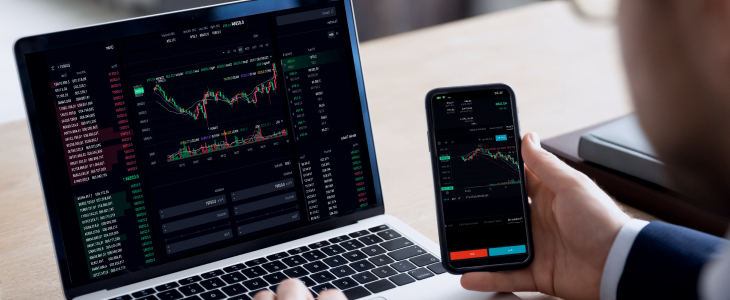
Technical analysis plays a crucial role in developing forex trading strategies. Small investors can leverage charts, trends, and indicators to understand market behavior and make informed trading decisions. Popular technical indicators include the Relative Strength Index (RSI), Bollinger Bands, and the Moving Average Convergence Divergence (MACD). These tools can help traders identify potential entry and exit points, as well as overbought or oversold conditions in the market.
Effective risk management is essential for small investors in the forex market. One common approach is using stop-loss orders to limit potential losses on trades. Setting a risk-reward ratio is also crucial; investors should aim for a higher potential return compared to the risk taken. For instance, a 1:3 risk-reward ratio means risking $1 to potentially make $3. By incorporating strict risk management rules, small investors can protect their capital and build a sustainable trading practice.
Trading signals are alerts generated by professional traders or algorithms indicating potential trading opportunities. Small investors can benefit from these signals to make informed decisions without spending hours analyzing the market. Many brokers offer trading signal services, providing insights on entry and exit points based on technical indicators. While trading signals can be useful, it’s essential to conduct personal research and not rely solely on them for trading decisions.
Forex trading offers a wealth of opportunities for small investors, but it is also fraught with risks. By employing effective trading strategies such as scalping, day trading, swing trading, position trading, and trend following, small investors can navigate the forex market with more confidence. Importantly, employing rigorous risk management practices and utilizing technical analysis can enhance trading efficacy. As the forex market continues to evolve, staying updated with market trends and continuously refining trading strategies will be vital for maximizing profits and minimizing losses.
 Facebook
 Linkedin