
WASI Technologies

Mastering Forex Trading A Practical Approach

Mastering Forex Trading A Practical Approach

Mastering Forex Trading: A Practical Approach

Forex trading is a dynamic and often daunting endeavor, but with the right practices and tools, anyone can become a successful trader. Whether you are a novice contemplating your first trades or an experienced trader looking to refine your strategy, understanding the nuances of the forex market is crucial. In this article, we will delve into practical aspects of forex trading that can enhance your skills and boost your confidence. To get started, consider visiting forex trading practice Qatar Brokers for valuable insights and resources.

Understanding Forex Trading Basics

Before diving into practical strategies, it’s essential to grasp the fundamental concepts of forex trading. The foreign exchange market is the largest financial market in the world, where currencies are traded in pairs. Traders buy one currency while simultaneously selling another. This concept might appear straightforward, but factors influencing currency movements are numerous and complex, including economic indicators, geopolitical events, and market sentiment.

The Importance of a Trading Plan

A well-structured trading plan is the cornerstone of successful forex trading. It outlines your trading goals, risk tolerance, entry and exit strategies, and criteria for selecting currency pairs. Here are the critical components of an effective trading plan:

  • Goals: Define what you want to achieve through trading, whether it’s a specific monetary gain or skill development.
  • Risk Management: Establish how much capital you are willing to risk on each trade. A common rule is not to risk more than 1-2% of your trading capital on a single trade.
  • Market Analysis: Determine whether you will use technical analysis, fundamental analysis, or a combination of both to make trading decisions.
  • Trade Entry and Exit: Specify your criteria for entering and exiting trades, including target profits and stop-loss levels.
  • Review and Adaptation: Regularly review and update your trading plan based on your trading experiences and changes in market conditions.

Practicing with a Demo Account

One of the best ways to practice forex trading is through a demo account. Most forex brokers offer demo accounts that allow you to trade with virtual money. This setup provides an invaluable opportunity to experiment with different trading strategies without risking real capital. When practicing, consider the following tips:

  • Try out various currency pairs to understand their volatility and behavior in different market conditions.
  • Test different trading strategies and identify which ones resonate with your trading style.
  • Keep track of your trades and evaluate your performance regularly to pinpoint areas for improvement.
  • Take the demo trading seriously. Treat it like real trading to develop discipline and a solid trading mindset.

Developing Technical Analysis Skills

Technical analysis is a vital skill for forex traders. It involves studying price charts and using indicators to predict future price movements. Some of the widely used technical indicators include moving averages, Relative Strength Index (RSI), and Bollinger Bands. Here are steps to improve your technical analysis skills:
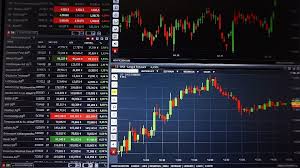
  • Familiarize yourself with different chart types (candlestick, line, and bar charts) and their significance.
  • Learn how to use common indicators and plot them on your charts.
  • Practice recognizing candlestick patterns, as these can provide insights into market sentiment.
  • Utilize backtesting software to see how well your technical analysis would have performed in past market conditions.
Mastering Forex Trading A Practical Approach

Understanding Fundamental Analysis

While technical analysis focuses on price movements, fundamental analysis examines economic factors that influence currency values. Key indicators to monitor include Gross Domestic Product (GDP), employment rates, inflation rates, and interest rates. Here are some tips for incorporating fundamental analysis into your trading:

  • Stay informed about global economic news releases and how they may affect currency markets.
  • Analyze central bank policies, as interest rate changes significantly impact currency values.
  • Utilize economic calendars to keep track of upcoming reports and events that might trigger market volatility.

Adopting Effective Risk Management Practices

Successful forex trading goes beyond making winning trades; it involves managing risk effectively. Here are some strategies to protect your capital:

  • Set stop-loss orders to limit your potential losses on each trade.
  • Consider using take-profit orders to secure gains at predetermined levels.
  • Diversify your trades across different currency pairs to spread risk.
  • Use position sizing to determine the number of units to trade based on your risk tolerance and account balance.

Keeping Emotions in Check

Trading can evoke a rollercoaster of emotions — joy, fear, anxiety, and frustration. Developing emotional resilience is crucial for maintaining a consistent trading approach. To manage your emotions, consider these techniques:

  • Practice mindfulness and stress-relief techniques, such as meditation or exercise, to maintain a clear mindset.
  • Stick to your trading plan, even if it feels tempting to deviate based on emotions.
  • Accept that losses are part of trading and focus on learning from each experience rather than letting it trigger emotional responses.

Continuing Education and Community Engagement

The forex market is constantly evolving, and ongoing education is vital for long-term success. Engage with the trading community through forums and social media to share insights and learn from others. Consider the following resources for continued learning:

  • Online trading courses and webinars that cover various aspects of forex trading.
  • Books and articles authored by experienced traders that delve into advanced strategies.
  • Trading simulations and contests that provide practical experience and exposure to competitive environments.
  • Networking with other traders to share strategies, experiences, and tips.

Conclusion

Forex trading can be a rewarding endeavor when approached with the right knowledge, mindset, and practices. By developing a solid trading plan, honing your technical and fundamental analysis skills, managing risk effectively, and maintaining emotional discipline, you set the stage for a successful trading journey. Remember, the key to mastery is continuous learning and adaptation in a market that never sleeps. Best of luck in your trading pursuits!

Nuestra Fanpage